A sleek, dark-metal workstation with an open laptop displaying a complex graph of neural network layers beside a magnified binary disassembly view on a second monitor. Around the screens, neatly arranged circuit boards, a logic analyzer, and a notebook filled with abstract, non-readable glyphs suggest methodical investigation. The desk sits in a dim, minimalist studio with matte charcoal walls and a single large window casting cool, diffused afternoon light. Subtle reflections on the metal surfaces and soft shadows under the equipment create depth. Photographic realism, shot at eye level with a shallow depth of field, keeps the code and schematics slightly out of focus, conveying a sophisticated, introspective atmosphere centered on LLM-driven reverse engineering research.

Exploring Vibe RE: LLMs, binaries, behavior

Writing

  • PHP2Shell: Everything You Need to Know (and Debug) Part 1: Build Your Own Debugging Lab

    Getting Started I’ve recently decided to explore AI-assisted vulnerability research. Rather than spending too much time debating which tools or models to use, I wanted to get my hands dirty with a real vulnerability. PHP2Shell happened to be making waves in the security community, so it seemed like a good place to start. Despite all…

  • 7 Secret Habits of Claude Code That Every Developer Should Steal

    I asked Claude Code to build an agent loop. It gave me eight appetizers, a fake, and a software engineering reading list. I was recently building an AI agent harness with Claude Code. I expected it to start with the agent loop. That’s the heart of an agent harness, right? But Claude Code took a…

  • Denver City

About

Where LLMs Meet Reverse Engineering

I study how large language models change the practice of reverse engineering—where they fail, where they help, and how to make them reliable tools. This site collects selected research, experiments, and long-form notes.
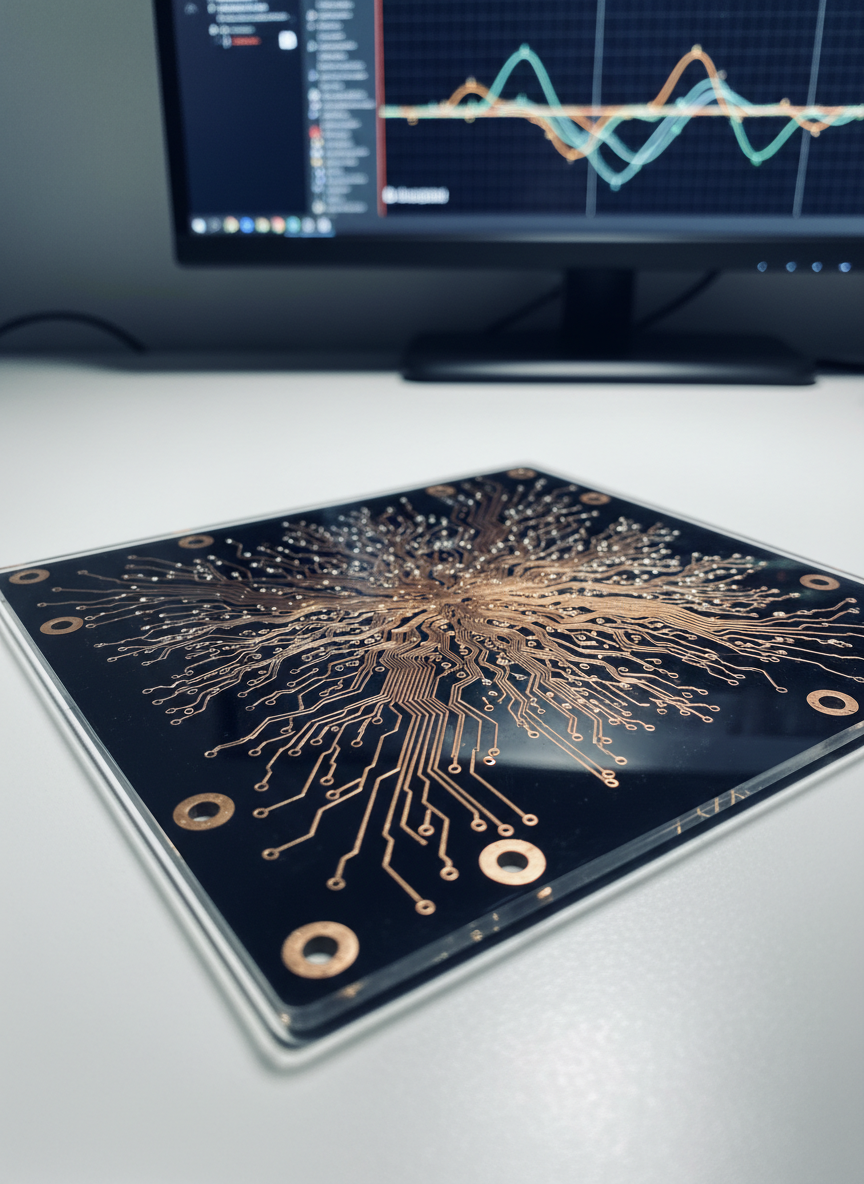
A close-up of a polished black PCB resting on a clean white desk, with a transparent acrylic overlay etched with abstract patterns hinting at neural network connections merging into traces and vias. In the background, slightly blurred, a monitor shows a high-level visualization of data flow analysis without any readable text. Cool, directional studio lighting from the left creates crisp highlights on the copper traces and subtle reflections in the acrylic. The mood is analytical and precise, with a modern, high-tech aesthetic. Photographic realism, captured from a slightly elevated macro angle, emphasizes fine textures and details, framing the board along the rule of thirds to suggest the meeting of hardware reverse engineering and LLM-powered insight.

Stay updated on new Vibe RE work